


Environmental studies and permitting
The construction sites for the realization of a project may have significant impacts on the environmental components and on resident population. It is therefore generally appropriate to develop a careful analysis of the activities to identify and assess the impacts during construction and, consequently, the best actions to mitigate and / or compensate.
Therefore, the Environmental Project the Construction site is developed during preparation of the final design, and concerns both the construction site, and the affected viability.
At least the following environmental components are analyzed in the Project:
• Surface and underground water;
• Atmosphere;
• Landscape;
• Noise and Vibrations;
• Soil;
• Flora, fauna and ecosystems.
It is possible to take into account other more specific components if they characterize particular contexts of action (for example, particular settlement areas, agricultural contexts that require very focused surveys, etc.).
As part of the activities for the preparation of the Project, is necessary to identify the construction sites, the processing conducted there, the types of equipment used, the paths for vehicles, and the quantities and types of materials handled for the realization of the works.

It will be necessary to analyze the project of the construction site and all the results of any studies and research previously conducted. The necessary data are the followings:
• Construction sites;
• Quarry and disposals sites;
• Construction sites roads system and ordinary roads affected by vehicles around the site;
• Volumes of materials to be moved and their characterization;
• Program of works.
Thanks to the development of the Project it will be possible to establish, where needed:
• Site management methodology
• The monitoring of environmental components;
• The design of mitigation actions.

During the preparation of Environmental Projects for Construction sites, VDP performs in-depth analysis regarding the following aspects:
• Route optimization of material transport to and from the construction site. In this context, alternative routes able to reduce the environmental impact on involved areas might be identified;
• Determination of the effects involving noise pollution and air contamination through the disposition of sensor networks near the sites or roads affected by the transit of the vehicles. If necessary, these studies can be conducted as a function of time slots. In this regard, VDP employs the use of appropriate characterization models and forecasts; the detailed numerical simulations help to define the expected contamination levels the sensors should measure even in the most demanding scenarios, thus identifying suitable mitigation actions and ensuring compliance with threshold limits;
• Identification of the impacts on soil and subsoil in relation to the construction activities and potential remediation to initial conditions once the works are completed;
• Determination of environmental effects on ground- and surface water concerning vegetation, fauna and landscape.
Therefore Environmental Projects for Construction sites allow a complete evaluation of the environmental aspects related to the construction activities.
Regarding the work organization, the design criteria, the extent of the construction area and the characteristics of the employed machines are provided.
Moreover, operational control procedures are specified for the main environmental components:
• Direct mitigation interventions (noise and dust barriers, road watering);
• Remediation to initial conditions or landscape inclusion design;
• Indirect mitigation interventions (requirements and recommendations to be implemented during construction activities).

Environmental Projects for Construction sites show three basic objectives:
• Determination of significant environmental parameters and potential critical issues connected with the construction activities;
• Definition of the most appropriate methods of site management;
• Selection of mitigation measures and operating procedures aimed at containing the environmental impacts.
It is therefore possible, when necessary, designing mitigation interventions and monitoring activities with regard to pre, post and in-progress construction stages. The monitoring refers to all the environmental components and allows the determination of appropriate mitigation actions.
The precise identification of the construction activities, the localization of areas and road infrastructures involved in material handling, as well as the quantities of used materials allow an accurate focus on the significant environmental aspects, mainly related to noise pollution and air contamination issues.
Thus, the most appropriate methods and actions regarding impact mitigation are identified and implemented.

-
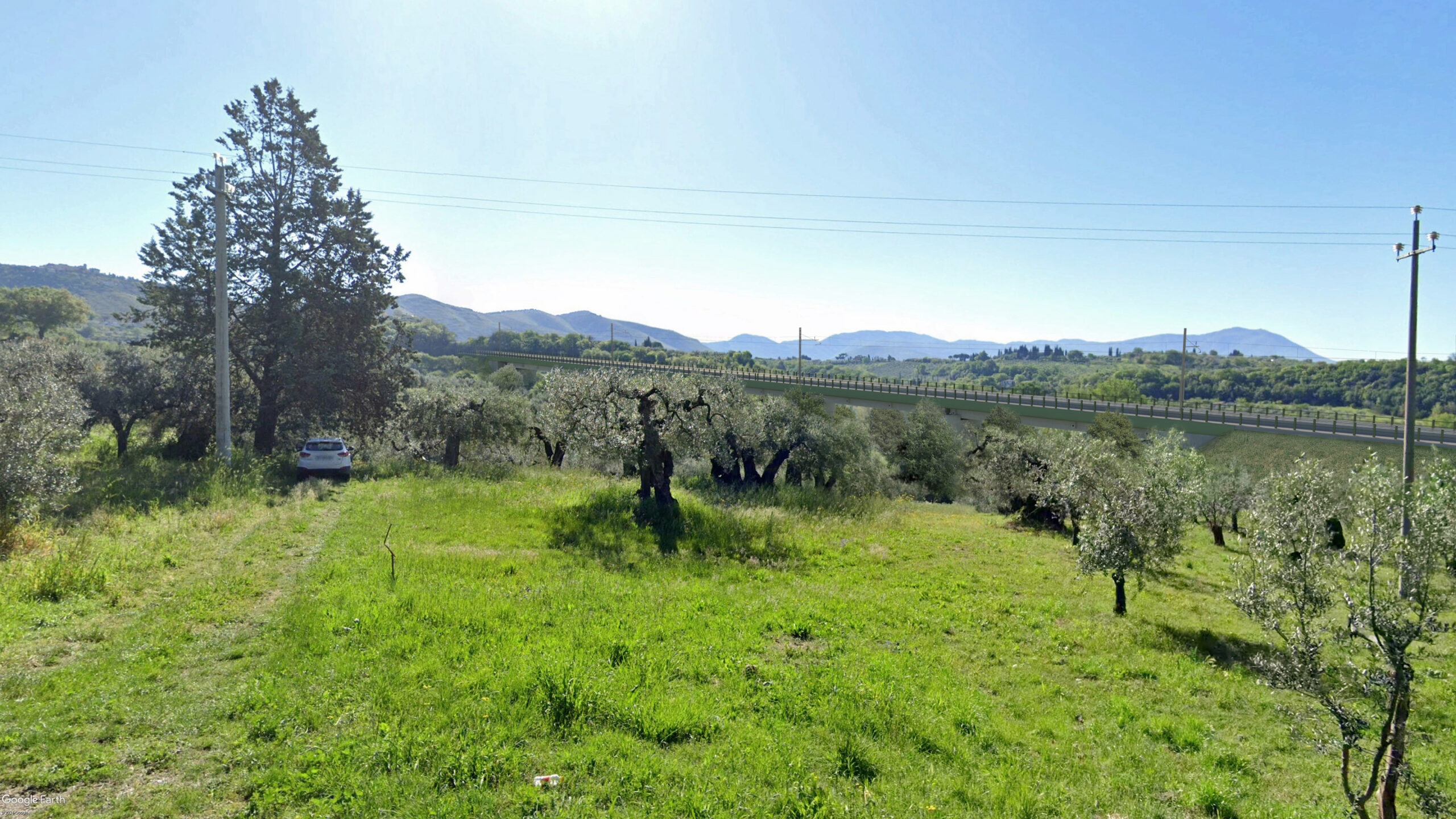 E.I.S (Environmental Impact Study) for the TEFP (Technical and Economic Feasibility Project) railway line Passo Corese – RietiSettore: Railways & Station
-
 Framework Contract for the Brescia-Padua MotorwaySettore: Roads & Highways
-
 TELT – interchange niches La Maddalena TunnelSettore: Railways & Station
-
 Overhead power line 150 kV “Troia – Celle San Vito” Puglia Region ItalySettore: Energy Infrastructures
-
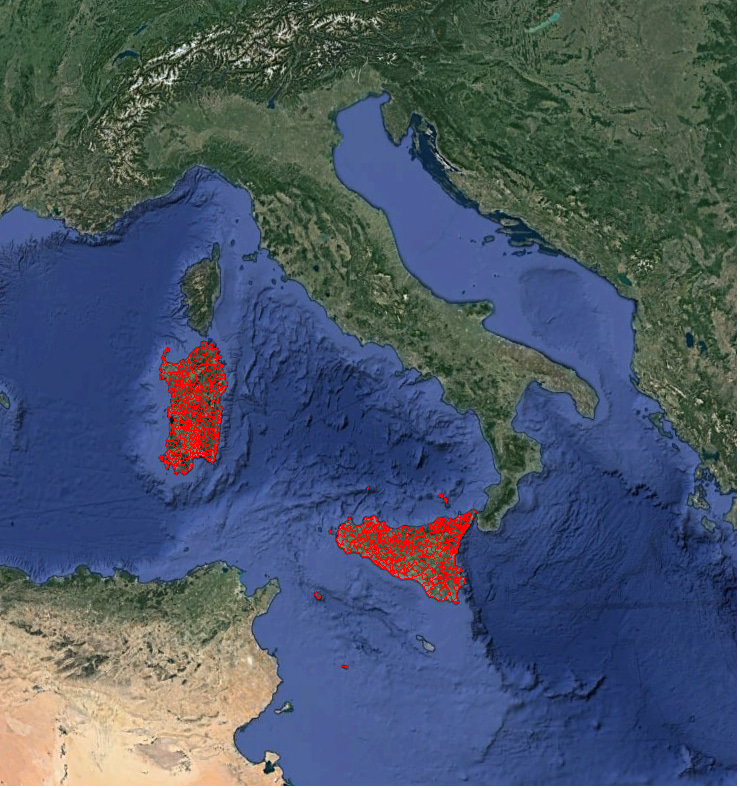 ANAS Framework Contracts – Project in Sicily and SardiniaSettore: Roads & Highways
-
 Risanamento Acustico per 5 Comuni dell’ Emilia RomagnaSettore: Railways & Station
-
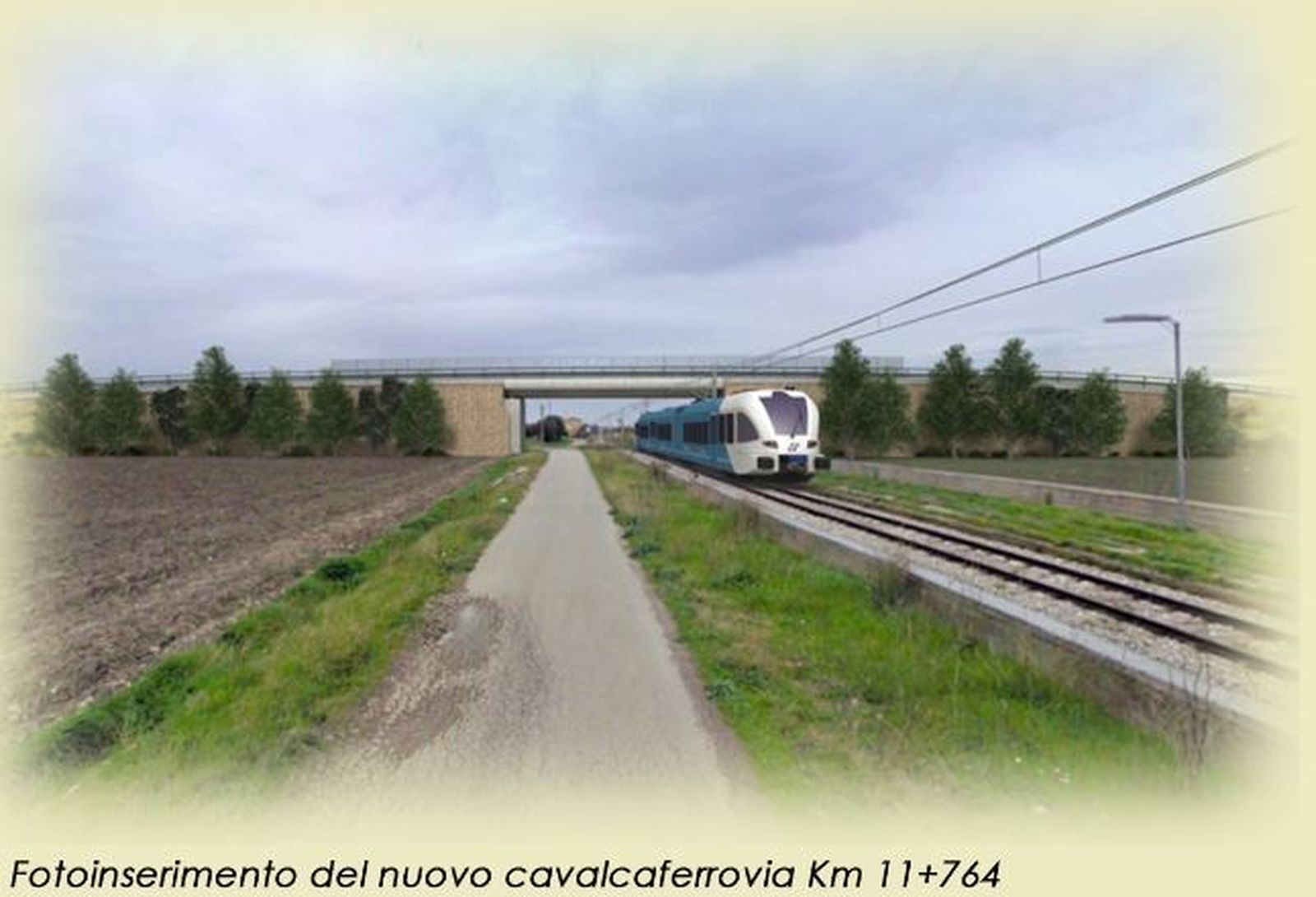 Potenza – Foggia Railway LineSettore: Railways & Station
-
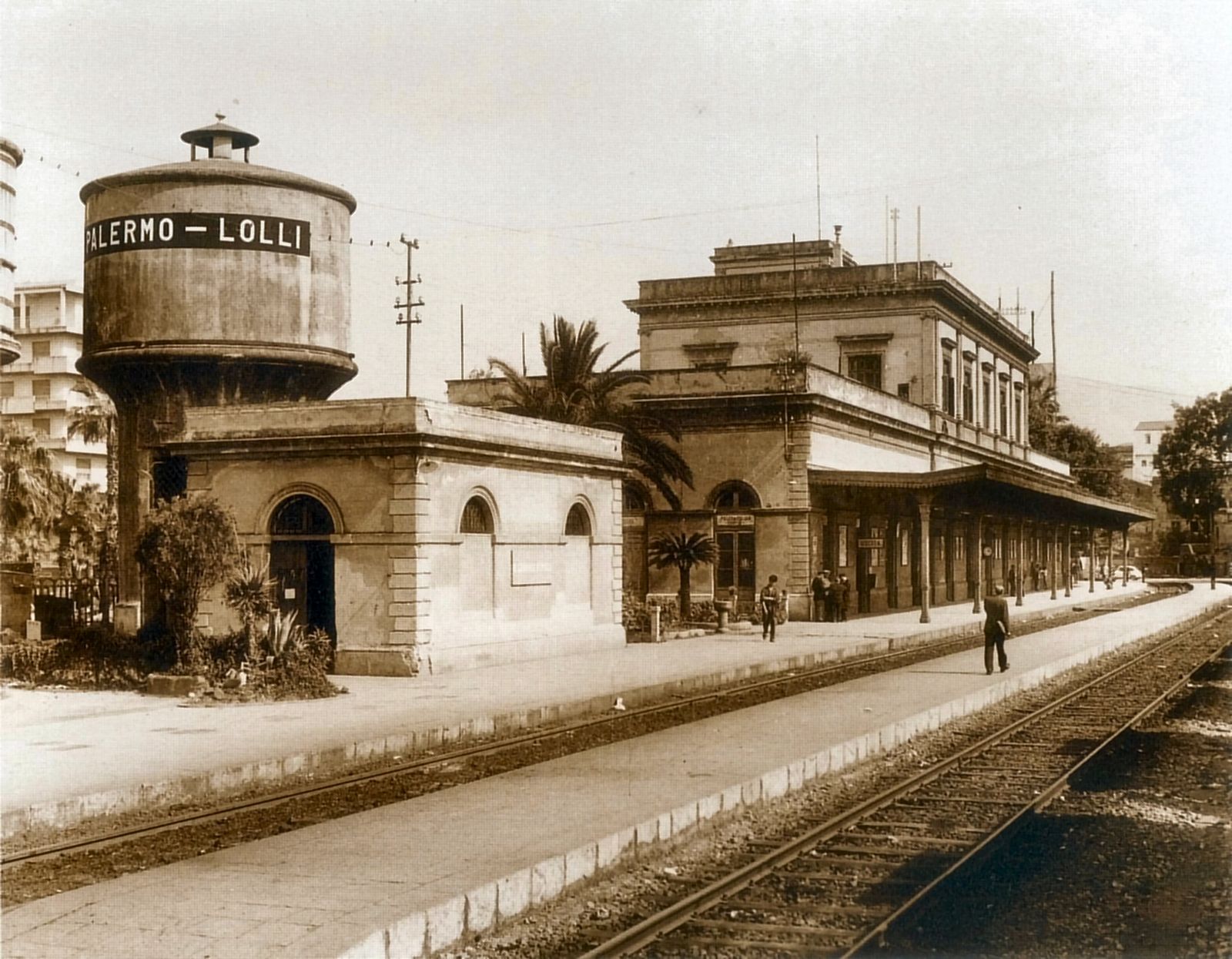 Palermo metropolitan railway serviceSettore: Urban Transport
-
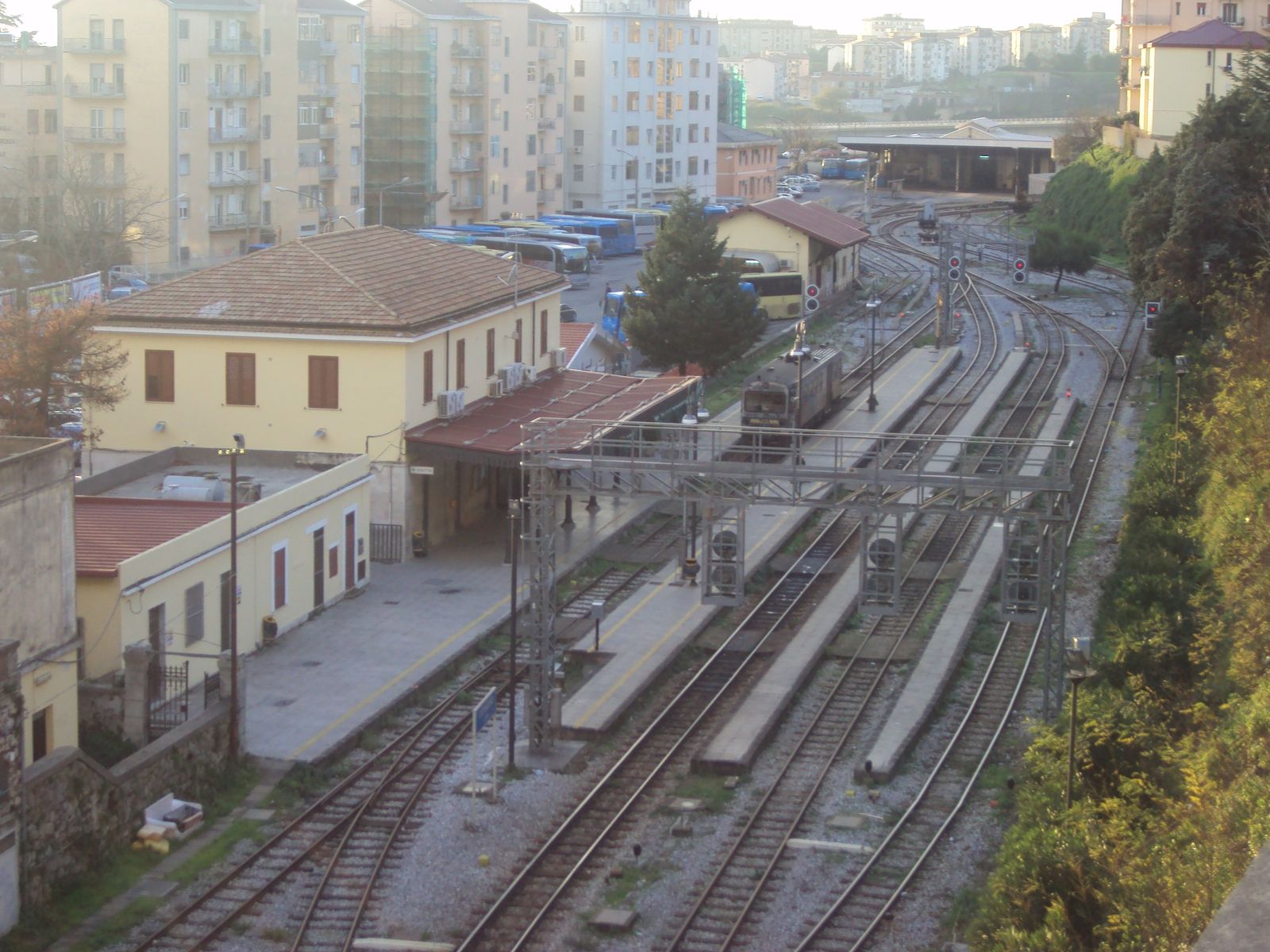 Catanzaro–Lamezia Terme Railway LineSettore: Railways & Station
-
 Naples Railway JunctionSettore: Railways & Station
-
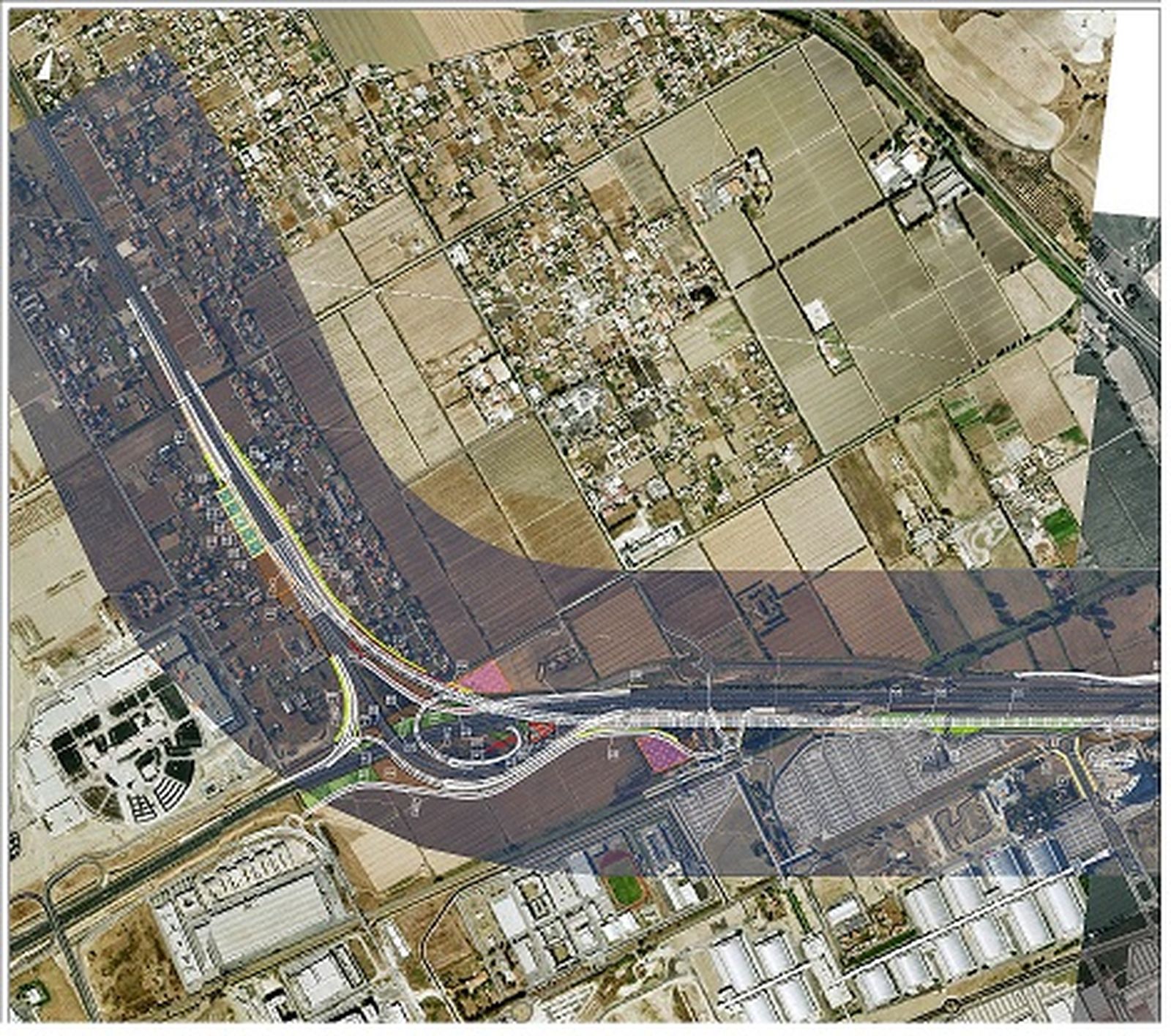 A12 Motorway – Pontina Road ConnectionSettore: Roads & Highways
-
 Technological enhancement of Naples railway junctionSettore: Railways & Station